News
Grandparents


A theme of the Bulletin this month involves grandparents. Perhaps it's confirmation bias or the fact that broadcast television recognises that their audience is aging or perhaps its the regular advertising of retirement facilities but it seems to me that there are increasing number of advertisements featuring older people with grandchildren. Its good to know we are still useful. 

Read more...
Calendar
Meeting - 21 September 2026
Sep 21, 2026
5:30 PM – 7:30 PM
Meeting - 5 October 2026
Oct 05, 2026
5:30 PM – 7:45 PM
Meeting - 19 October 2026
Oct 19, 2026
5:30 PM – 7:45 PM
Meeting - 2 November 2026
Nov 02, 2026
5:30 PM – 7:45 PM
View entire list
Trees for Survival

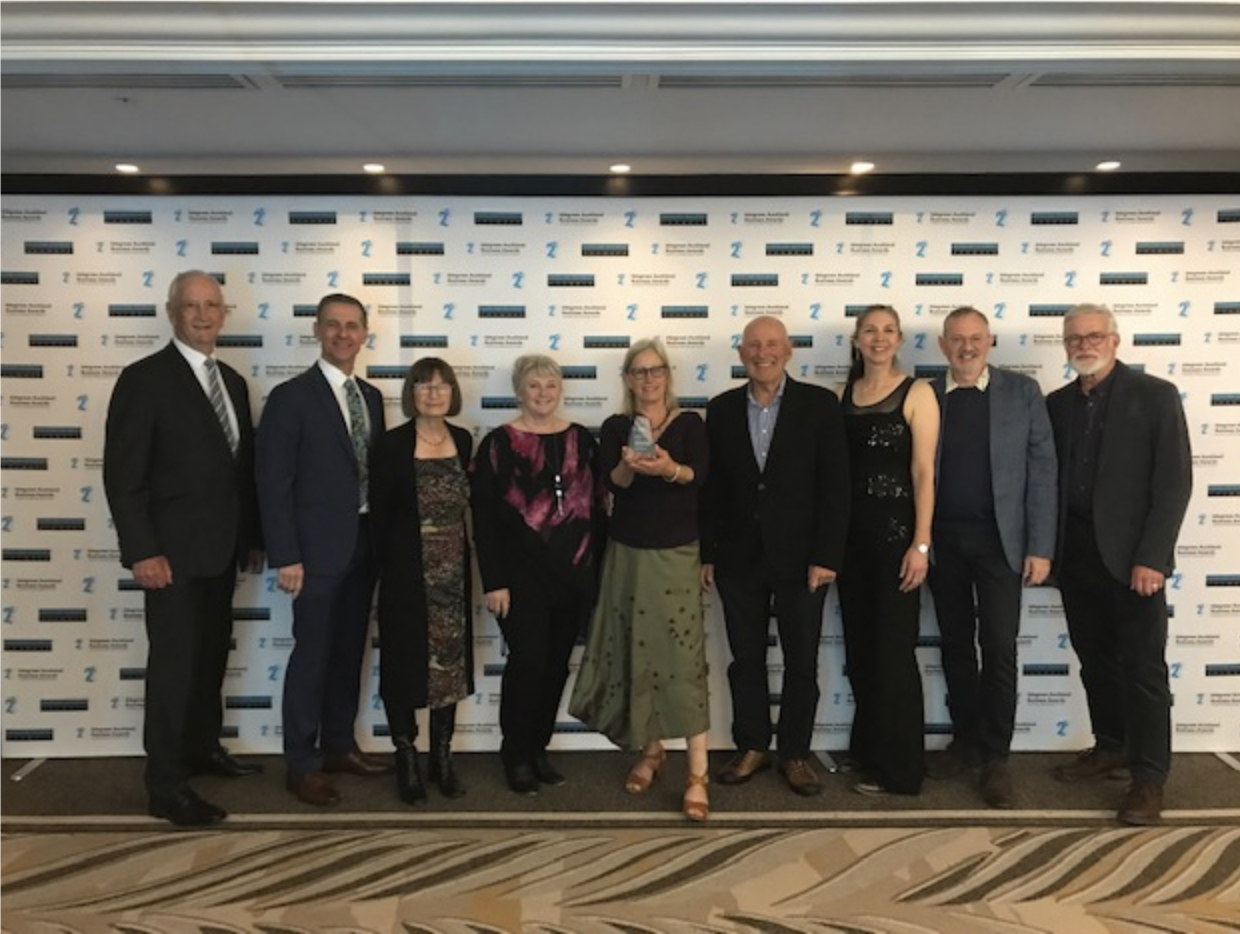
From time to time in the Bulletin I give an update or other information about the Trees For Survival programme. That has referenced the growth of the programme and the quality of it's management.  It's a professionally run initiative with a sound strategic vision that has had that recognised at the most recent Auckland Business Awards where TfS won the Excellence in Strategy Award. 

Grandparents are important. 


Grandparents significantly boost a child's emotional stability, cognitive growth, and long-term resilience by providing unconditional love and active engagement. 

Research highlighted in Psychology Today shows that regular, positive involvement from older generations shapes a child's well-being well into early adulthood. 


  • Anxiety Reduction: Unconditional love from a grandparent acts as a safe space, lowering stress and anxiety in ways that complement parental care.
  • Resilience and Coping: Children who know their family history and stories shared by grandparents show higher self-esteem and better coping skills during hard times.
  • Behavioural Protection: Strong bonds with grandparents help lower the risk of dangerous teen behaviours, such as drug use and smoking, by fostering a deep sense of being valued.
  • Vocabulary Growth: Studies note that active grandparental care and repeated storytelling substantially enhance early language skills and vocabulary development.
  • Life Lessons and Values: Grandparents pass down cultural heritage, moral values, and practical wisdom that reinforce what children learn at home.]
  • Support for Parents: When grandparents help with childcare or emotional support, it reduces stress on parents and strengthens overall family stability.
  • Mutual Health Gains for Seniors: According to research published by the American Psychological Association, staying involved in caregiving keeps older adults mentally sharp and socially connected.

Want to find out more then follow this link. Its very interesting. 

https://www.youtube.com/watch?v=tOtp2feqXqA

Changes ahead in Education

Given the age profile of our clubs there will be few with school age children but many of us have school age grandchildren. 

 

The current government has set in place a series of fundamental changes to education. Ask AI what the changes have in common and the answer is that “they are all part of a massive, synchronized national education reform sweep.” That sweep will involve a range of changes but two in particular will be obvious to students, paraents and grandparents over the next few years.


Very briefly [I’m very happy to give more detail if there are interested readers] those changes involve:


1. A new curriculum which will impact on all levels from Year 1 to Year 13. [For those who went to school a fair while ago that’s Primer 1 to Form 7.]


The Ministry of Education describe the new curriculum as knowledge rich. In simple terms that means there are a bunch of facts that kids need to be taught and learn. Teachers and other educators note that the amount of content that needs to be covered has increased and in many cases topics that were taught further up the year group have been moved to be covered by younger age groups. 

It will be implemented progressively but some is already in place and being used in schools. 

In addition in August 2026 the government announced nine new industry-led secondary school subjects. These are for Year 12 and 13 students. No one seems to know exactly how these will be included in the school programme but they are designed to provide a direct pathway into work, trades, training and university. Examples include: 

  • Applied Intelligent Systems
  • Construction and Built Environment
  • Energy and Infrastructure
  • Next-Gen Manufacturing


2. Replacing NCEA with a new qualifications framework

In the governments words “we are building a new system that is clearer, more consistent across schools and internationally comparable so that when a student earns a qualification it genuinely signals, they are ready for the next step and reflects what they know and can do”.


Some readers might even understand what that means. There will be less ability to “count credits” with a focus on whole subjects tied to the national curriculum. 

  • NCEA Level 1 goes and is replaced with the Year 11 Foundational Award which requires students to pass basic skills tests in reading, writing and maths.
  • Level 2 and 3 NCEA are replaced by the NZ Certificate of Education and the NZ Advanced Certificate of Education. 

Students in Years 12 and 13 must study at least five subjects each year. Students must pass at least three of those subjects to earn their certificate and final marks will use a mix of classroom work (internal assessment) and traditional exams.

Grandparents raising grandchildren 
The NZ Herald has reported that there is an increasing number of grandparents in New Zealand who are taking on full-time caregiving roles. In addition many more have a part time duty to assist parents who are in full time work during school holidays and before and after school for younger children.  
The full time care in particular can involve significant financial costs and other pressures and a number of support networks have been created including Grandparents Raising Grandchildren [GRG]. In other situations its been reported that many super-annuitants  experience “intensity grandparenting”, where adult children and grandchildren move home due to hosing market pressures or other family crises. 
 
 
The debate

The subject for this years iteration of the Hoyoake Debate was: This house accepts the saying “It's a man's world” as being relevant in the present day led to a spirited contest between St Kentigern College and Pakuranga College.


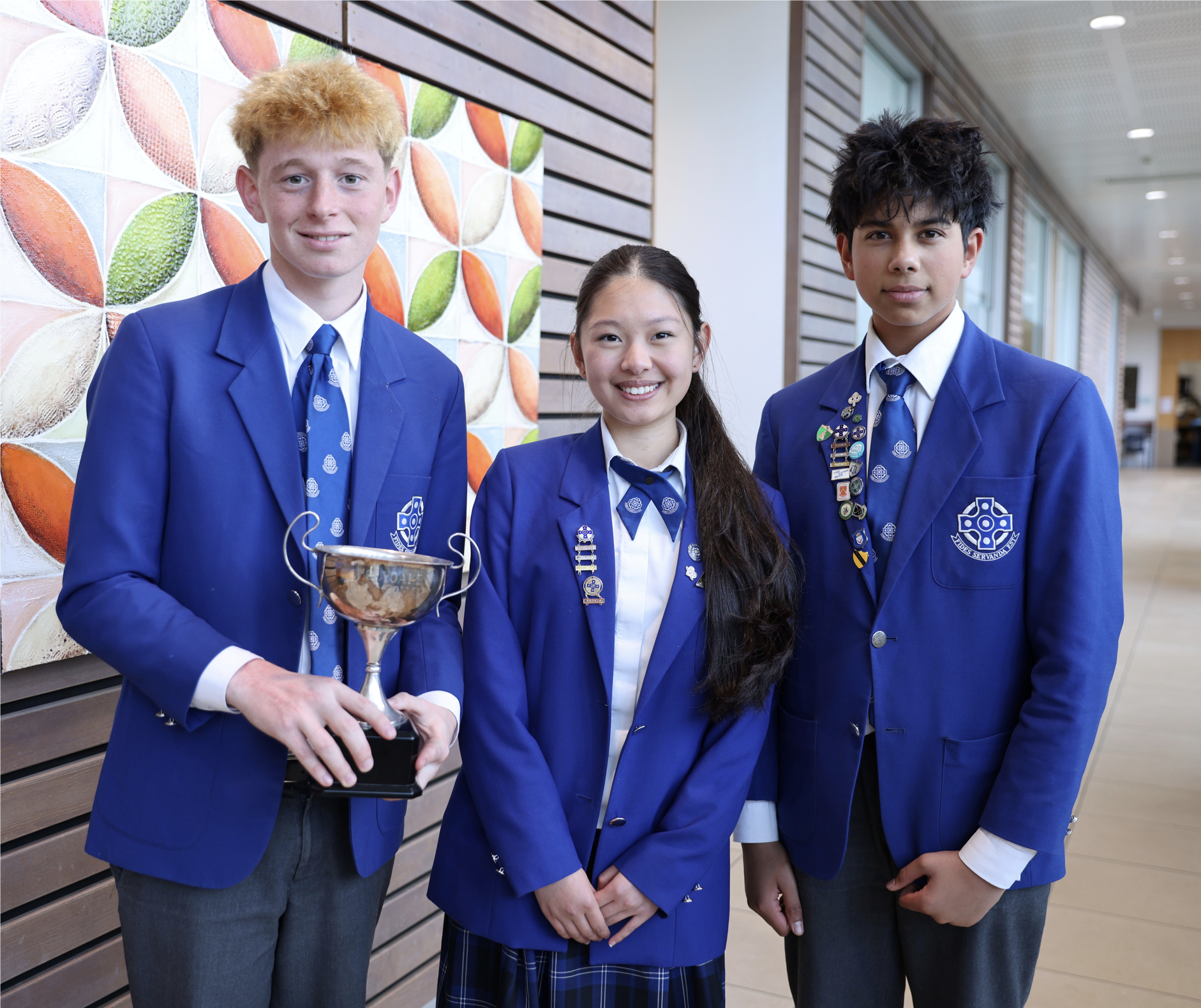
The winning team.  St Kentigern team comprising Ayden Singh-Ali, Oliver Walter and Evie Chang.  


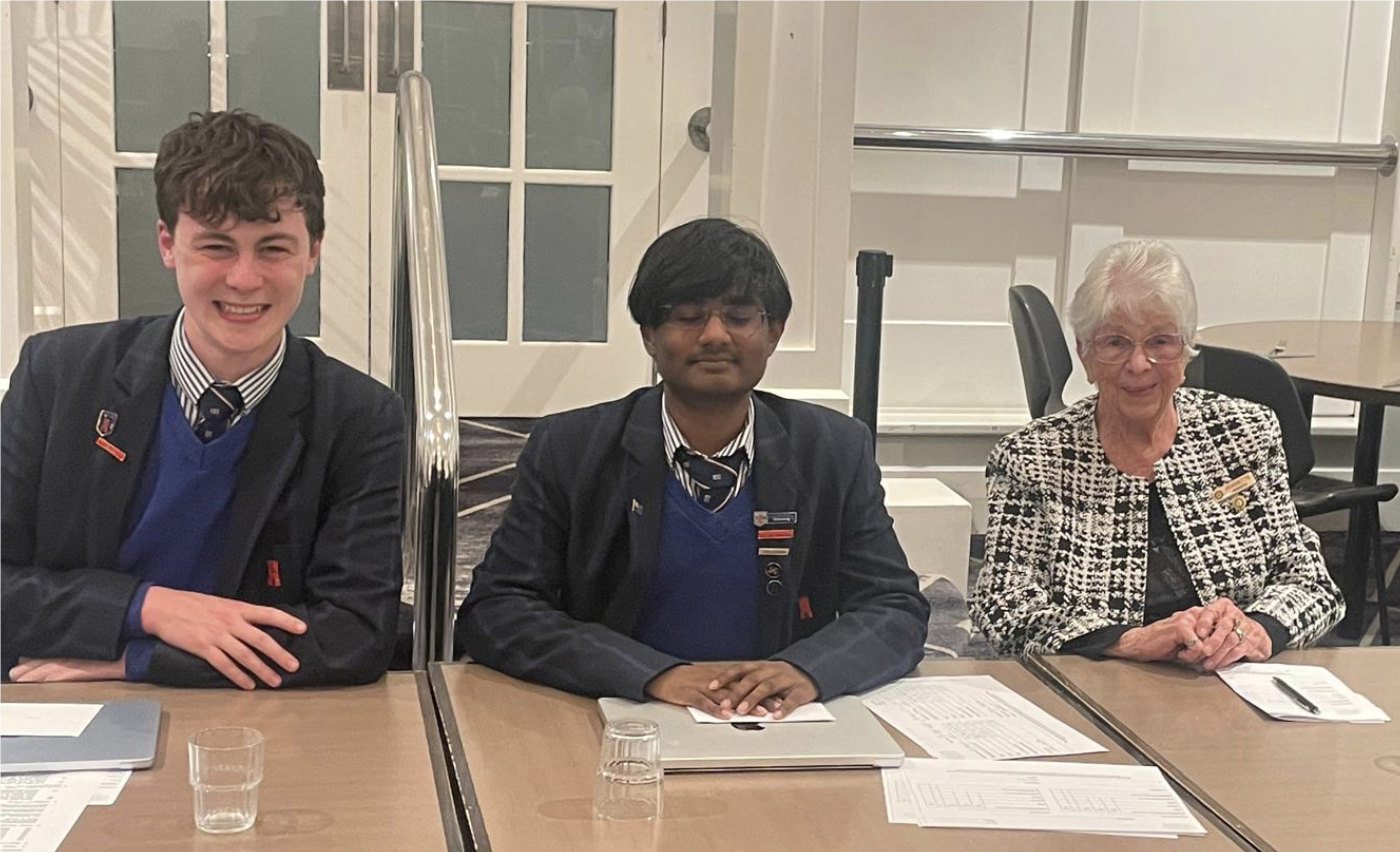
The judges.  In a great innovation, two Macleans College students joined with Jeanette Roberts in judging the moot. 

Haran Thirumeni and Finn Wai-Po provided us with a lucid explanation of why the judges ultimately awarded the debate to St Kentigern.